AC Contractor Services: Their Function for Your Comfort
Maintaining comfort in homes requires essential air conditioning systems. Aircon contractors provide critical services that guarantee these systems operate efficiently. Everything from installation and routine maintenance to emergency repairs is handled by them. Informed decisions about air conditioning needs come from understanding their role. What factors should be considered when choosing the right system? This topic exploration uncovers important insights for enhancing indoor comfort.
Grasping Air Conditioning Systems
Air conditioning units, which are vital to keeping indoor comfort, are made up of several important components that work together to maintain temperature and humidity. The main elements include the compressor, condenser, evaporator, and expansion valve. The compressor transports refrigerant, while the condenser removes heat taken from the indoor environment. The evaporator, situated inside the building, chills the air by capturing heat from the indoor space. The expansion valve controls the flow of refrigerant into the evaporator, maintaining maximum performance.
Additionally, air conditioning systems often feature filters that catch dust and allergens, elevating indoor air quality. Thermostats adjust temperature settings, letting users to adjust their comfort levels. These systems can be central or localized, determined by the building's design and specific needs. By recognizing these components and their functions, individuals can understand the complexity and importance of air conditioning systems in creating a comfortable living or working environment.
Aircon Contractors and Their Role
Air conditioning specialists maintain an important role in the general efficiency of air conditioning systems. Their obligations cover installation and setup, regular maintenance services, and emergency repair support. By making certain these aspects are handled efficiently, they contribute greatly to the lifespan and performance of air conditioning units.
Installation and Setup
Qualified air conditioning technicians play a vital role in the setup and installation of HVAC systems, ensuring maximum performance and efficiency. These experts begin by examining the particular needs of a space, including its dimensions, design, and thermal protection. They then advise on proper air conditioning units and design tailored installation plans. During the installation process, contractors meticulously handle all components, including the setup of indoor and outdoor units, ductwork, and electrical connections. Appropriate setup is critical for peak airflow and energy efficiency. Contractors also carry out detailed checks to verify that the system operates according to manufacturer specifications. This thoroughness not only increases comfort but also greatly reduces the probability of future issues, providing peace of mind for property owners and business operators alike.
Regular Maintenance Services
Routine maintenance services are crucial for maintaining the longevity and efficiency of HVAC systems. Aircon contractors serve a pivotal role in this process by providing regular check-ups that include inspections, cleaning, and essential adjustments. These services help detect potential issues before they escalate, ultimately reducing costs on major repairs. Technicians often clean filters, check refrigerant levels, and inspect electrical components to preserve peak performance. Furthermore, regular maintenance boosts energy efficiency, which can result in lower utility bills for homeowners. By creating a consistent maintenance schedule, aircon contractors help clients maintain a comfortable indoor environment while prolonging the lifespan of their HVAC systems. Overall, proactive maintenance is a fundamental aspect of air conditioning care that ensures reliability and peace of mind.
Emergency Repair Support
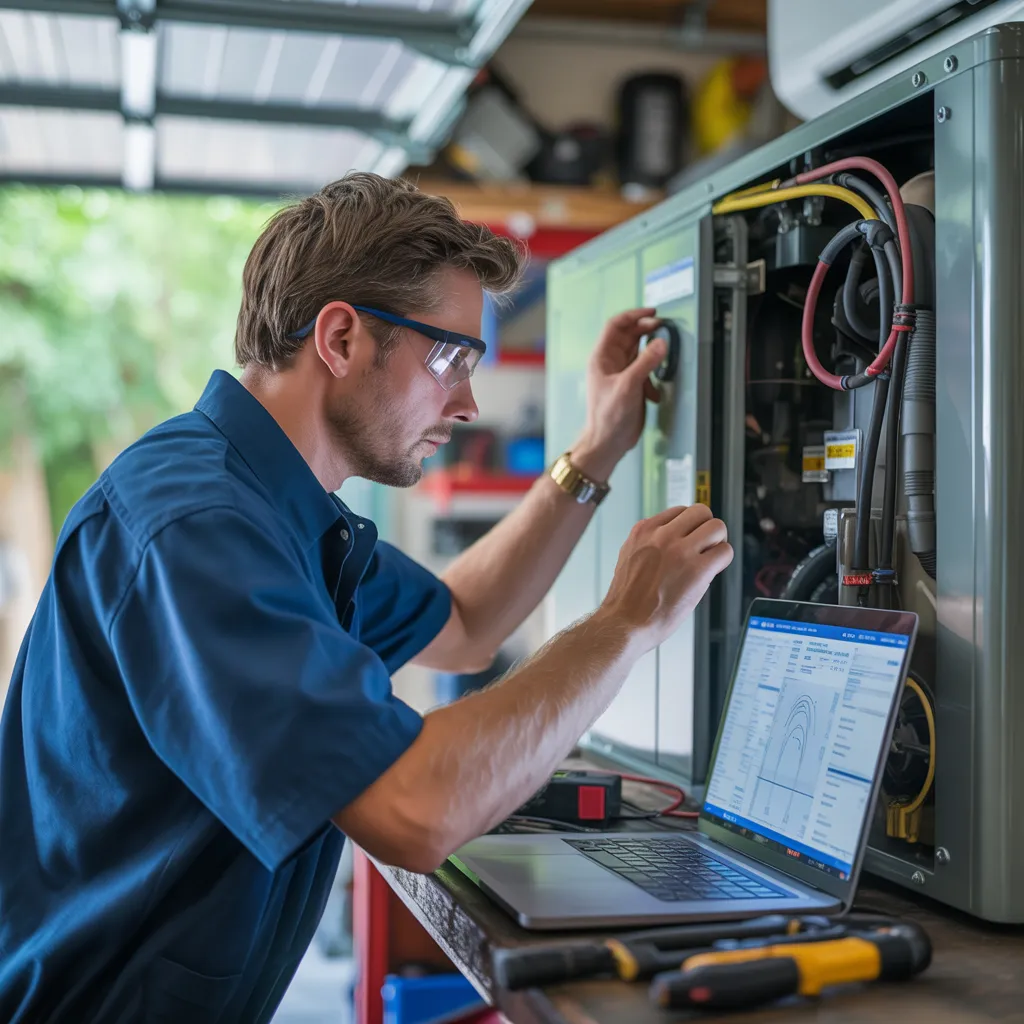
Unanticipated system failures can interrupt indoor comfort, making emergency repair support an essential service delivered by aircon contractors. These professionals are equipped to respond swiftly to urgent calls, ensuring that clients experience minimal downtime. When an air conditioning unit fails, contractors diagnose the issue effectively, utilizing specialized tools and expertise. They often deliver 24/7 availability, understanding that temperature extremes can pose serious health risks.
AC contractors don't just fix the immediate issues but also offer guidance for averting future failures. Their knowledge of different systems enables them to tackle a broad spectrum of concerns, from refrigerant leaks to electric issues. Ultimately, their rapid intervention assists in reestablish comfort in homes and businesses, highlighting the value of having trustworthy emergency repair backup.
Installation Services: What You Can Expect
When evaluating air conditioning installation services, homeowners can expect a organized process that provides maximum performance and efficiency. At the outset, a professional contractor will conduct a detailed assessment of the home, examining factors such as size, layout, and insulation. This examination helps determine the right air conditioning unit to meet unique cooling needs.
Following the assessment, the contractor will deliver a comprehensive installation plan, which includes equipment selection, placement, and any required modifications to the existing infrastructure. Homeowners can expect the contractor to handle all components of the installation, including securing permits and confirming compliance with local building codes.
When the installation starts, professionals will carefully set up the system, integrating electrical components and air ducts as appropriate. Upon completion of installation, the contractor will perform a meticulous performance check to validate the system functions properly. Residents can feel confident knowing their new air conditioning system is properly installed and prepared for optimal comfort.
Preventive Care and Maintenance
Quality maintenance and regular care are essential for maintaining the longevity and efficiency of an air conditioning system. Regular inspections and servicing by professional aircon contractors help detect potential issues before they turn into major problems. These services typically include cleaning or replacing filters, checking refrigerant levels, and inspecting electrical components.
Moreover, contractors often examine the general performance of the system, making sure it functions at peak efficiency. Planned maintenance can lead to enhanced air quality, minimized energy consumption, and enhanced comfort in indoor areas.
Homeowners are encouraged to establish a maintenance schedule, which may include periodic assessments, to increase the lifespan of their units. By adopting preventive care, residents can eliminate unexpected breakdowns and costly repairs, ultimately generating significant savings over time. This proactive approach fosters a dependable and pleasant indoor environment, making it a wise choice for any air conditioning system.
Maintenance Services: Diagnosing Frequent Faults
How can homeowners quickly recognize issues with their air conditioning systems? Detecting usual symptoms can enable identifying problems early. For example, if the air conditioner fails to cool efficiently, it may indicate issues with the refrigerant levels or a defective compressor. In addition, unusual noises, such as grinding or squealing, typically signal mechanical failures that need immediate attention. Homeowners should also look for signs of poor airflow, which might point to clogged filters or ductwork issues.
An additional important indicator is the presence of leaks or moisture around the unit, indicating potential refrigerant leaks or drainage issues. Odors, particularly musty or burnt smells, can point to electrical faults or mold growth. By monitoring these symptoms, homeowners can facilitate timely repairs, making certain the air conditioning system operates efficiently and extending its lifespan. Consulting a professional aircon contractor for a comprehensive diagnosis is crucial for accurate repairs.
Choosing the Right Air Conditioning System
Picking the appropriate air conditioning system requires careful consideration of several factors. An overview of system types, energy efficiency ratings, and installation space requirements can guide this decision-making process. Understanding these elements helps secure optimal performance and comfort in any setting.
Types of Systems Overview
Choosing the suitable air conditioning system is crucial for ensuring comfort and efficiency in any space. Multiple system types accommodate different needs and environments. Central air conditioning systems are ideal for larger homes, offering consistent cooling through a network of ducts. Ductless mini-split systems offer flexibility and are perfect for homes without existing ductwork, allowing for zoned cooling. Window units function as a budget-friendly solution for smaller spaces, while portable air conditioners provide mobility and convenience. Additionally, geothermal systems harness the earth's temperature for efficient cooling and heating. Each type provides unique advantages, making it crucial for homeowners to assess their specific requirements and space characteristics before picking the most suitable air conditioning solution.
Energy Efficiency Aspects
When examining air conditioning systems, energy efficiency emerges as a critical factor influencing overall performance and operating costs. Consumers are continually aware of the importance of selecting systems that decrease energy consumption while maintaining comfort. The Seasonal Energy Efficiency Ratio (SEER) and the Energy Efficiency Ratio (EER) are vital metrics that show how effectively an air conditioning unit operates. Higher ratings represent better efficiency, resulting in lower utility bills. Furthermore, choosing systems with variable speed compressors can boost energy savings by adjusting output according to cooling demands. Energy-efficient models may also qualify for government incentives or rebates, making them financially attractive. In the end, prioritizing energy efficiency not only benefits the environment but also ensures long-term savings for homeowners.
Installation Space Requirements
Adequate installation space is fundamental for guaranteeing ideal performance and longevity of air conditioning systems. Sufficient clearance around the unit is essential to promote airflow and avoid overheating. Manufacturers usually specify minimum distances from walls, ceilings, and other obstructions to maximize efficiency. Furthermore, the location of ductwork and electrical connections can influence installation feasibility.
For split-type systems, indoor components must have appropriate wall space for positioning, while external units need enough space at ground level for drainage and maintenance access. Taking into account the area size being cooled is also important; more expansive rooms may require multiple components or an enhanced system. All things considered, comprehending these installation space requirements is critical for identifying the right air conditioning system that successfully addresses comfort needs.
Most Asked Questions
How Do I Know When to Replace My Air Conditioning Unit?
Signs indicating the need for air conditioning unit replacement include repeated failures, increasing energy costs, erratic cooling, and the unit being beyond 10-15 years old. Analyzing these elements can summary guide knowledgeable decision-making concerning replacement.
How Can You Tell If Your Air Conditioning System Is Inefficient?
Indicators of an inefficient air conditioning system include uneven temperatures, higher energy bills, peculiar noises, frequent cycling, and weak airflow. These signs suggest that the system may demand maintenance or replacement to guarantee maximum performance.
How Can I Increase My Air Conditioner's Energy Efficiency?
To boost your air conditioner's energy efficiency, you should consistently clean or replace filters, seal ductwork, use programmable thermostats, provide proper insulation, schedule professional maintenance, and consider energy-efficient models to minimize overall energy consumption.
Are Aircon Contractors Available Round-the-Clock for Emergencies?
Yes, several aircon contractor services deliver 24/7 availability for emergencies. This ensures that customers can obtain prompt assistance throughout unexpected breakdowns, maintaining comfort and preventing further damage to their air conditioning systems.
What Kind of Warranties Can You Expect from Aircon Contractors?
Air conditioning professionals usually offer warranties that include coverage for parts and labor for a particular period, often ranging from one to ten years. Several provide extended warranties for extra fees, delivering customer satisfaction and protection against possible problems.